-1786759990384-343193660.png "CyOpsPath logo")


As a talent solution manager running a high-priority job board, I see the cybersecurity landscape shifting daily. We no longer live in an era where passive defense is enough; today, the most resilient companies are the ones that proactively hunt for their own weaknesses. This shift has turned penetration testing into one of the most critical, high-demand segments of the modern technical workforce.
In this guide, I’ll break down exactly what this field entails, why the market is exploding, and how you can position yourself for these lucrative roles.
Understanding the "Ethical Hack"
At its core, penetration testing—or "pen testing"—is a sanctioned, simulated cyberattack against a computer system, network, or web application. Think of it as a "stress test" for digital infrastructure.
Instead of waiting for a malicious actor to strike, organizations hire offensive security specialists to find vulnerabilities before they can be exploited. While many people use the term ethical hacking as a broad umbrella, penetration testing is a more focused, goal-oriented discipline often tied to specific compliance or security objectives.
Why the Demand is Exploding in 2026
I track hiring trends closely, and the data is clear: the Bureau of Labor Statistics projects a 32% growth in information security roles through 2032. This is significantly higher than the national average for almost any other technical field.
For the recruiters and talent specialists I work with, this means penetration testing isn't just a niche skill—it is a core requirement for any enterprise-level security team. On our job board, we see these roles commanding impressive starting salaries, often ranging from $60,000 to $80,000 for Junior Penetration Testers and scaling up to $200,000+ for Principal Security Researchers.
The Three Pillars of Testing Methodology
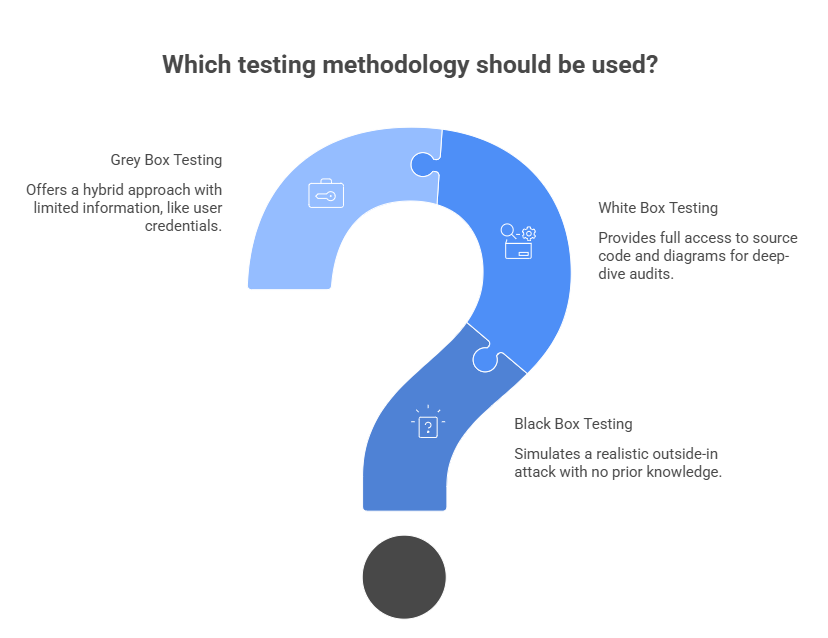
When you start diving into the technical side, you’ll encounter three primary ways these engagements are structured:
Black Box Testing: The tester has zero prior knowledge of the target system, simulating a realistic "outside-in" attack.
White Box Testing: The tester has full access to source code and network diagrams to perform a deep-dive audit.
Grey Box Testing: A hybrid approach where the tester has limited information, such as standard user login credentials.
The Professional Workflow
A professional pen test isn't just "smashing keys." It follows a rigorous penetration testing methodology that ensures the results are actionable for the client:
Planning & Reconnaissance: Gathering intelligence to understand the target.
Scanning: Using tools like Nmap or Nessus to identify open ports and services.
Gaining Access: Exploiting vulnerabilities using frameworks like Metasploit or Burp Suite.
Maintaining Access: Determining if a persistent presence can be established within the network.
Analysis & Reporting: This is the most vital step—writing a penetration testing report that explains the risks and how to fix them.
How to Break Into the Industry
If you are looking to pivot into this field, I recommend a "Learn → Build → Get Hired" approach:
Master the Fundamentals: Focus on Linux CLI, networking protocols, and web security basics.
Get Certified: Start with foundational certs like CompTIA Security+ or eJPT, then work toward the industry-gold standard: the OSCP.
Build a Portfolio: I tell every candidate to document their progress. Write-ups of HackTheBox machines or a home lab setup can serve as your proof of skill.
Whether you are an aspiring tester or a recruiter looking for the best talent, understanding these core concepts is the first step toward mastering the offensive security ecosystem.
-1775312437612-536341452.png "Image")
Top 10 FAQ
What Is Penetration Testing?
Penetration testing is a structured security evaluation where experts simulate real-world attacks to uncover vulnerabilities before malicious actors can exploit them.
Why Is Penetration Testing Valuable?
It allows organizations to identify security weaknesses, confirm the effectiveness of their defenses, and lower the risk of data breaches or cyberattacks.
Penetration Testing vs. Ethical Hacking
While ethical hacking refers to the overall practice of authorized security testing, penetration testing is a focused approach aimed specifically at mimicking attacks to detect weaknesses in systems and applications.
Who Conducts Penetration Tests?
Penetration assessments are usually carried out by skilled ethical hackers or certified penetration testers who possess advanced cybersecurity knowledge and relevant certifications.
Key Phases of a Penetration Test
Typical steps in a penetration test include planning and scoping, information gathering, vulnerability scanning, exploitation, and reporting with remediation guidance.
What Is Scoping in Penetration Testing?
Scoping defines the boundaries of the test, including which systems to evaluate, the objectives, timelines, and rules of engagement before the assessment starts.
Common Tools Used in Penetration Testing
Popular tools include Nmap for network scanning, Burp Suite and OWASP ZAP for web testing, Metasploit for exploitation, Wireshark for traffic analysis, Hashcat for password cracking, and SQLmap for database testing.
Types of Vulnerabilities Penetration Tests Can Detect
These tests can uncover weak passwords, system misconfigurations, unpatched software, flaws in web applications, and other security gaps that attackers could exploit.
When Should a Business Conduct a Penetration Test?
Penetration testing is recommended after significant system updates, before compliance audits, upon detecting suspicious activity, or when securing sensitive data.
What Happens After a Penetration Test?
The tester delivers a comprehensive report outlining discovered vulnerabilities, supporting evidence, and actionable recommendations to strengthen security defenses.
Weekly newsletter
Get the latest blog updates, practical hiring insights, and featured reads delivered straight to your inbox.
Read about our Privacy Policy.