-1779805773906-868231420.png "CyOpsPath logo")


Three questions come across my desk every single week from job seekers trying to break into tech. How much experience do I actually need? Should I go DevOps or Cloud Engineer? And can I get hired without real production experience? As a recruiter and job board founder, I'm going to give you straight answers — no fluff.
Understanding the difference between DevOps and Cloud Engineering is the first step to picking the right career path.
Part 1: How Much Experience Do You Need for a DevOps Job?
The honest answer: less than you think — but more than zero. Entry-level DevOps job listings show that most companies are seeking 1–2 years of experience in DevOps, cloud engineering, systems administration, or a related field. But here's what those postings don't tell you — internships, personal projects, and home lab work all count.
Real-world job posting data breaks it down like this:
Entry-level (0–2 years): Basic CI/CD knowledge, Git, Docker, familiarity with one cloud platform. A degree or equivalent project portfolio is accepted.
Mid-level (2–4 years): Hands-on Terraform or Ansible, Kubernetes exposure, scripting in Python or Bash, and incident response experience.
Senior (5+ years): Architecture decisions, platform engineering, multi-cloud environments, leadership of junior engineers.
The key insight: employers define "experience" loosely at the entry level. A well-documented GitHub project deploying an app via CI/CD on AWS is often treated the same as a junior role at a small company. What separates candidates who get interviews from those who don't is proof of hands-on work — not years on a resume.
Before you apply anywhere, use the IT Certification Finder to identify which certifications will strengthen your application for the specific DevOps roles you're targeting. The right cert can offset a thin work history faster than anything else.
Most DevOps engineers progress through clearly defined stages — entry, mid, and senior — each with distinct skill expectations.
Part 2: DevOps Engineer vs Cloud Engineer — Which Job Is Better?
This is the most common career decision question I get, and there's no universal answer — but there is a framework for deciding.
What a DevOps Engineer Actually Does
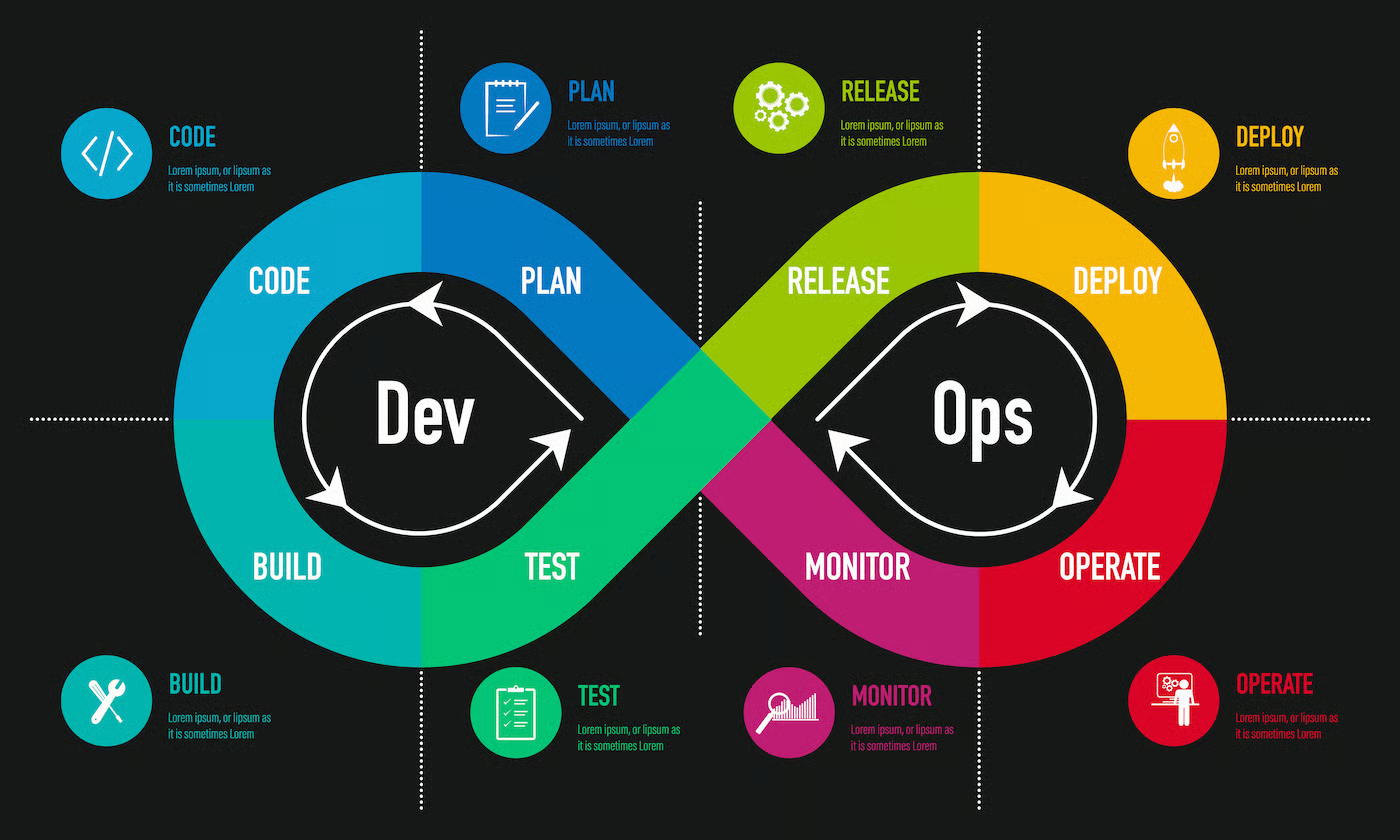
A DevOps engineer owns the software delivery pipeline. You build and maintain CI/CD systems, manage infrastructure as code, handle deployments, and bridge the gap between development and operations teams. The role is process-heavy and requires both coding ability and systems thinking. You're in the weeds of how software ships.
What a Cloud Engineer Actually Does
A cloud engineer focuses on designing, building, and maintaining cloud infrastructure — compute, storage, networking, security, and cost optimization. You're more infrastructure-focused and less involved in the day-to-day development pipeline. The role leans heavily on a specific cloud platform (AWS, Azure, GCP) and certifications carry more weight here than in DevOps.
Which Pays More?
They're competitive. ZipRecruiter puts entry-level DevOps at $125,908/year on average , while cloud engineers at entry level track similarly in the $110,000–$130,000 range depending on cloud platform specialization. Senior cloud architects at major tech companies can out-earn senior DevOps engineers, but the gap at junior levels is negligible.
Which Should You Choose?
Choose DevOps if you enjoy automation, scripting, and working closely with software teams. Choose Cloud Engineering if you prefer infrastructure design, enjoy working on large-scale systems, and want a clearer certification roadmap.
Either way, compare your target certifications side by side with the IT Certification Comparison Tool before committing study time and money. The difference between an AWS DevOps Professional cert and an AWS Solutions Architect cert, for example, will directly shape which role you're most competitive for.
Part 3: How to Get a DevOps Job Without Production Experience
A strong GitHub portfolio can replace years of production experience in the eyes of most entry-level hiring managers.
Production experience is the gold standard — but it's not the only currency hiring managers accept. Here's what actually works when you have zero professional DevOps history.
1. Build a Public Portfolio on GitHub
Create a project that demonstrates the full DevOps loop: write an app (even a simple one), containerize it with Docker, deploy it with a CI/CD pipeline via GitHub Actions, host it on AWS Free Tier, and manage infrastructure with Terraform. Document every step in a clean README. This is a production-equivalent project in the eyes of most entry-level hiring managers.
2. Get Certified — Strategically
Certifications are experience proxies. The AWS Cloud Practitioner, HashiCorp Terraform Associate, and Linux Foundation Certified Associate (LFCA) are the most effective entry-level signals. Don't stack certifications randomly — use the IT Certification Finder to match certs to the specific job titles you're targeting.
3. Target the Right Roles First
Don't apply directly to "DevOps Engineer" roles if you have no experience. Instead, target Cloud Support Engineer, Junior Systems Administrator (cloud-focused), or QA Automation Engineer positions. These roles build real production exposure within 12–18 months and are the fastest legitimate path into a DevOps engineer title. Browse current openings at CyOps Path — Browse Jobs .
4. Contribute to Open Source
Open source contributions appear on your GitHub profile and demonstrate real collaboration skills. Find a DevOps-related project on GitHub — a Terraform module, a monitoring tool, a CI/CD template — and submit pull requests. Even documentation fixes show hiring managers you work in professional development environments.
5. Negotiate Smarter From Day One
Many first-time DevOps job seekers leave money on the table because they don't know what entry-level roles actually pay in their market. Before accepting any offer, run your numbers through the IT Salary & Negotiation Tool to benchmark your offer against current market data and go into the conversation prepared.
6. Apply to Remote Roles — Seriously
Remote DevOps roles frequently have more flexible experience requirements than on-site positions, and they open the entire US job market to you regardless of where you live. Explore a curated list of Remote DevOps Jobs — many are explicitly open to candidates who demonstrate skills over experience.
Top 5 FAQs
1. Can I get a DevOps job with only 6 months of experience?
Yes — if that 6 months includes hands-on project work, a relevant certification, and a GitHub portfolio. Startups and fast-growing mid-size companies hire on demonstrated ability far more than tenure. Large enterprises and government contractors are stricter about year requirements. Target the former first.
2. Is a computer science degree required for DevOps?
No. Most entry-level DevOps job postings list a degree as preferred, not required — especially when candidates show equivalent experience. Certifications (AWS, Terraform, Linux) combined with a solid portfolio are a widely accepted substitute at companies that care about output over credentials.
3. DevOps vs Cloud Engineer — which has more job openings?
DevOps engineer roles currently appear in higher volume across US job boards, but cloud engineer and cloud architect roles are growing faster as enterprises accelerate cloud migration. Both have strong hiring pipelines. The better question is which skill set you'll build more naturally — that's the role to pursue.
4. How do I explain a lack of production experience in a DevOps interview?
Be direct and redirect. Say: "I don't have production experience yet, but here's what I've built." Then walk them through your GitHub project, explaining the architecture, the tools you chose, and what you'd do differently. Interviewers at entry-level respect candidates who own their gap and lead with evidence.
5. What's the fastest way to get a DevOps job from zero?
Get the AWS Cloud Practitioner cert (4–6 weeks of study), build one end-to-end CI/CD project on GitHub, and apply to Cloud Support Engineer and remote entry-level DevOps roles simultaneously. That combination, executed consistently, puts most people in front of hiring managers within 90 days.
How To: 5 Practical Steps Answered
1. How do I prove DevOps skills without a job title on my resume?
Create a "Projects" section on your resume and treat each GitHub project like a job. List the tools used, what problem it solved, and any measurable outcome (e.g., "automated deployment reduced manual steps by 80%"). Link directly to the GitHub repo. Hiring managers click those links — make sure what they find is clean and documented.
2. How do I decide between DevOps and Cloud Engineering as my first career path?
Ask yourself one question: do I prefer writing automation scripts and working in deployment pipelines, or do I prefer designing infrastructure architecture and optimizing cloud costs? If the answer is the former, DevOps is your path. If the latter, cloud engineering. Use the IT Certification Comparison Tool to map out which certs align with each direction before you start studying.
3. How do I find DevOps jobs that don't require production experience?
Filter your search by job titles like "Junior DevOps Engineer," "Cloud Support Engineer," "Associate SRE," or "Infrastructure Analyst." Many of these roles are written for candidates transitioning from adjacent IT roles or bootcamps. Browse Jobs on CyOps Path — the listings are curated for cybersecurity and DevOps professionals at all levels, including true beginners.
4. How do I negotiate a salary for my first DevOps role when I have no leverage?
You have more leverage than you think. Certifications, a public portfolio, and competing offers (even from smaller companies) are all negotiating chips. Know your market rate before the conversation — the IT Salary & Negotiation Tool gives you current data by role and location, so you walk in informed, not guessing.
5. How do I transition from IT support or sysadmin into a DevOps role?
You're closer than you think. Start adding cloud and automation skills on top of your existing systems knowledge. Learn Terraform, get comfortable with Docker, and earn an AWS or Azure cert. Then apply for Cloud-Focused Sysadmin or Junior DevOps roles that explicitly value an infrastructure background. Your operational experience is genuinely valued — DevOps teams need people who understand how systems break in production, and that's exactly what you know. Check Remote DevOps Jobs for roles that list sysadmin experience as a plus.
Ready to make your move? Browse all DevOps job listings on CyOpsPath — or start with remote-first roles if location flexibility matters to you
Weekly newsletter
Get the latest blog updates, practical hiring insights, and featured reads delivered straight to your inbox.
Read about our Privacy Policy.