 (1)-1791555126908-668402804.png "CyOpsPath logo")


Best Entry-Level DevOps Jobs in the USA for Beginners (2026)
DevOps and cloud engineering overlap more than most beginners realize — understanding both gives you a hiring edge.
DevOps is one of the best fields to break into right now. As a recruiter and job board founder, I see the demand daily — and the numbers back it up. ZipRecruiter reports the average entry-level DevOps salary at $125,908/year as of April 2026, with the field projected to grow 17% through 2033 according to the Bureau of Labor Statistics.
Here are the five roles I recommend beginners target first.
1. Junior DevOps Engineer
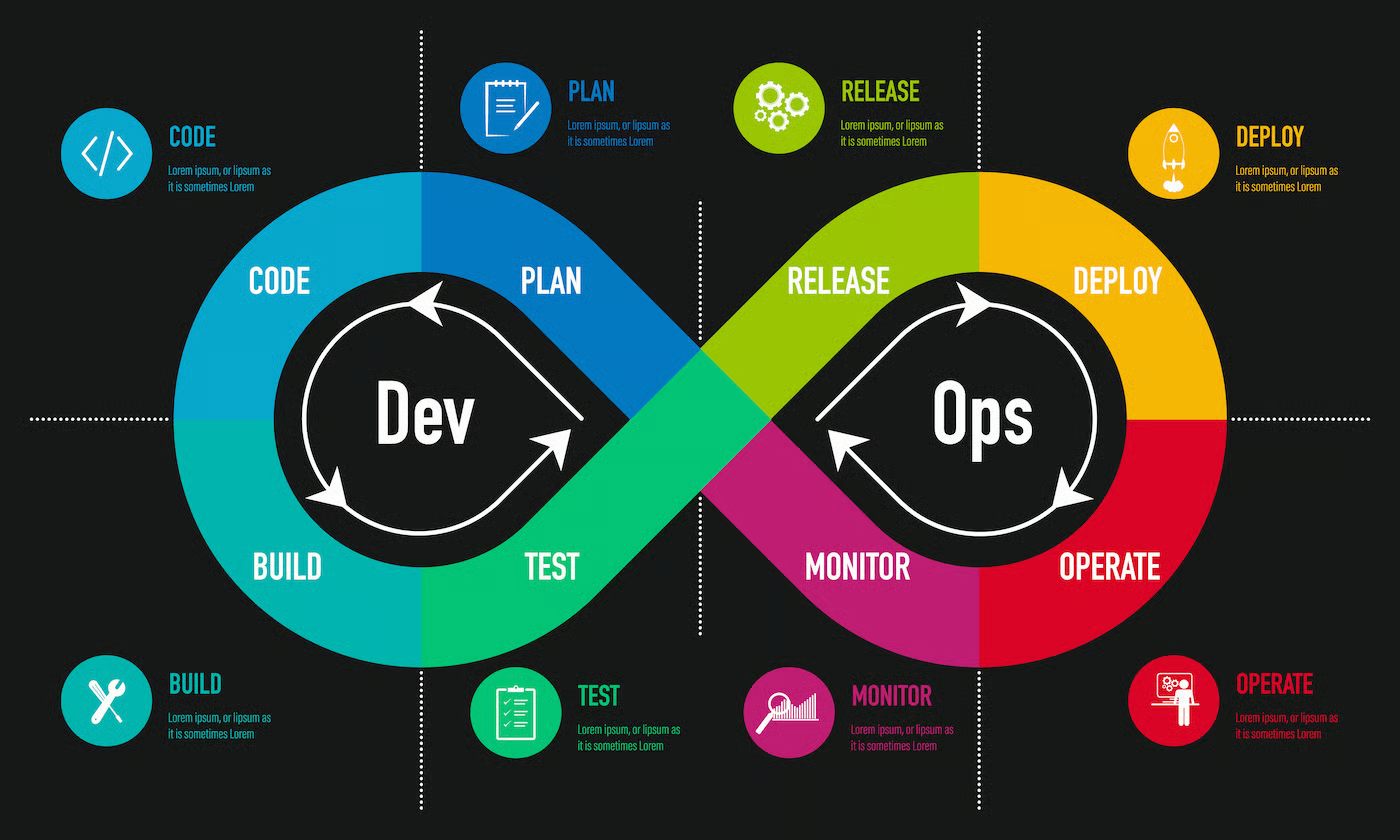
CI/CD pipelines are the core of a junior DevOps engineer's daily work — get comfortable with them early.
The most direct entry point. You'll support CI/CD pipelines and deployments under senior guidance. Starting salary: $90,000 – $115,000. Focus on Git, Docker, Linux, and GitHub Actions to get noticed.
2. Cloud Support Engineer
Cloud support is one of the clearest beginner roadmaps into a full DevOps engineering role.
Troubleshoot cloud infrastructure and help teams deploy workloads. AWS, Azure, and GCP all hire entry-level here regularly. Starting salary: $75,000 – $105,000. This role builds cloud expertise fast and is a clear path into DevOps engineering within 12–18 months.
3. Associate Site Reliability Engineer (SRE)
SRE associates spend a lot of time in monitoring dashboards — Grafana and Prometheus are your best friends here.
Focus on monitoring, alerting, and incident response. Glassdoor data shows top employers like IBM paying a median of $140,142 for entry-level DevOps/SRE roles. Learn Prometheus, Grafana, and Python scripting to stand out.
4. QA Automation Engineer
An underrated entry path. You'll write automated tests and plug them into CI/CD pipelines. Starting salary: $80,000 – $110,000. Lower barrier to entry than pure DevOps — and QA automation talent is genuinely scarce.
5. Cloud-Focused Systems Administrator
The evolved sysadmin role. Companies want people who can automate tasks and write Infrastructure as Code. PayScale puts average DevOps salaries at $114,661 in 2026 — and this role is the on-ramp. Starting salary: $70,000 – $95,000
What Gets You Hired
Hiring demand for DevOps professionals continues to outpace supply — a strong advantage for anyone entering the field now.
Skip the excuses about not having a degree. Build a GitHub portfolio with a working CI/CD pipeline. Get your AWS Cloud Practitioner or Terraform Associate cert. That combination beats an empty resume with a computer science degree every time.
Browse current entry-level openings at CyOps Path DevOps Jobs — a curated board built for DevOps and cybersecurity professionals.
Top 5 FAQs
1. Do I need a degree?
No. Skills, certs, and a real project portfolio matter more at most companies. A degree helps at large enterprises, but it's not the gate it used to be.
2. How long to become job-ready?
6 to 12 months of focused learning. Start with Linux and Git, add Docker and a cloud platform, then ship a project.
3. What's the entry-level salary range?
Between $91,949 and $153,412/year based on Glassdoor's April 2026 data , with the average around $118,000–$126,000.
4. Where are the most jobs?
California, Washington, Texas, New York, and Northern Virginia lead in volume. Remote roles are widely available and have opened the market nationwide.
5. Best role for someone with zero IT experience?
Cloud Support Engineer. It has the lowest barrier, the fastest learning curve, and a clear pipeline into DevOps. Pair it with an AWS Cloud Practitioner cert and you're competitive in months.
How To Get Started in DevOps: 5 Practical Questions Answered
1. How do I build a DevOps portfolio with no job experience?
Create a free GitHub account and build a simple project — even a basic web app deployed via a CI/CD pipeline using GitHub Actions counts. Add Docker, throw it on AWS Free Tier, and document everything in a README. Recruiters look at GitHub links more than most candidates realize.
2. How do I choose between AWS, Azure, and Google Cloud as a beginner?
Start with AWS. It holds the largest market share, has the most job postings referencing it, and its Cloud Practitioner cert is the most recognized entry-level credential in the industry. Once you land your first role, you'll pick up other platforms on the job naturally.
3. How do I transition into DevOps from a non-tech background?
Start with the Linux command line and Git — both are free to learn. Then move to a cloud fundamentals course and get certified. The Cloud Support Engineer or Sysadmin path is your best bridge. Most successful career changers make the switch in under a year with consistent daily practice.
4. How do I make my resume stand out for entry-level DevOps roles?
List tools over buzzwords. Hiring managers want to see Git, Docker, Terraform, Jenkins, or AWS — not "team player" and "fast learner." Add a GitHub link, include any cert you hold, and quantify anything you can. Even a personal project that "reduced deployment time by 40%" tells a better story than a blank tools section.
5. How do I prepare for a DevOps technical interview with no work experience?
Practice explaining how CI/CD works end-to-end out loud. Study basic Linux commands, networking concepts (DNS, HTTP, TCP/IP), and be ready to walk through a project you built. Most entry-level interviewers aren't testing depth — they're testing whether you understand the fundamentals and can learn fast.
Find your first DevOps role at CyOps Path DevOps Jobs.
Whether you're just starting out or leveling up, CyopsPath has the tools to move your IT career forward. Use the IT Certification Finder to identify which credentials align with your goals, then run them side by side in the IT Certification Comparison Tool to make a confident choice. Once certified, the IT Salary & Negotiation Tool helps you walk into any offer conversation knowing exactly what your skills are worth. Ready to put it all into action? Browse open IT jobs across every specialty, or filter straight to remote opportunities if flexibility is part of the plan.
Weekly newsletter
Get the latest blog updates, practical hiring insights, and featured reads delivered straight to your inbox.
Read about our Privacy Policy.